

AUSTIN, Texas—The Senior Fellows Honors Program of the Moody College of Communication hosted sociologist Javier Auyero and his team of graduate sociology students Nov. 5 in the Belo Center for New Media to discuss their exploration of the lives of Austinites living on the margins of society as portrayed in their book, “Invisible in Austin: Life and Labor in an American City.”
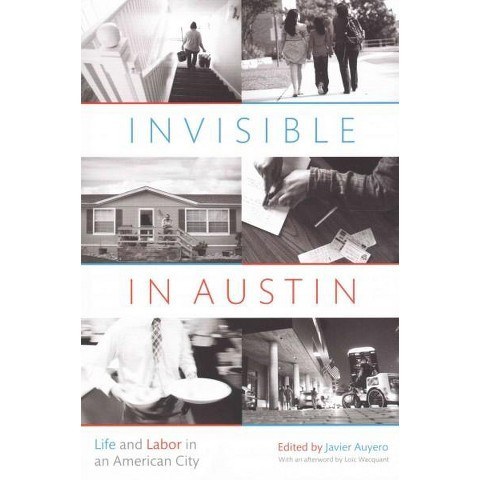
The book, which aims to illustrate the stark lifestyle disparities between the economic classes in Austin, arose out of a graduate seminar. Auyero and eleven of his students found they were continually “dissatisfied” with how academia portrayed people of a lower economic class. Auyero suggested creating a project that would shed light on the less publicized realities of living in the so-called ‘vibrant’ city of Austin, Texas.
“There were a lot of stories that were not being included in this cool-white-hipster version of Austin,” said Katherine Jensen, one of the contributors. “And we generally had a discomfort with that and that was one of the reasons why the book came about. [We wanted] to challenge and expand and critique the existing narratives.”
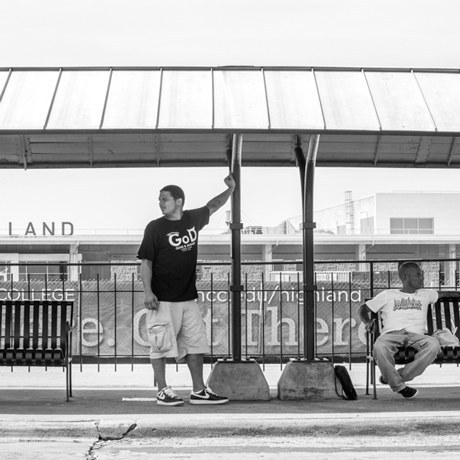
All of the graduate students wrote one chapter of the final product. Each chapter chronicles the daily lives of individuals who work in less coveted occupations such as house cleaners and office-machine repairers.
“Each chapter was an attempt to illuminate one aspect of Austin,” Auyero said. “Each anecdote is supposed to be contributing to a larger theme.”
Originally, the authors planned to entitle their book, “The Other Side of Austin.” However, after spending two years gathering information about their characters, the sociologists realized that suggesting there were two independent “sides” in Austin failed to address a critical issue. They posit instead, that these two sides cannot exist without each other, that these two factions of society are completely intertwined, that these two economic classes are inherently dependent on one another.
Jensen wrote her respective chapter about the life of a Nepalese refugee, Kumar. An accomplished lawyer and political science professor, Kumar fled Nepal because he faced political persecution. Now, in Austin, he drives the night shift for a cab company. Considering that most of his clients are people returning from a night out on the infamous Sixth Street, Kumar consistently encounters the “uncivilized version of Austin.”
Jensen underlined the fact that without Kumar’s services, tourists and Austinites alike would not be able to enjoy all of Austin’s iconic experiences, such as Sixth Street, South by Southwest and Austin City Limits. And yet, stories of people like Kumar and his unglamorous day-to-day lifestyle of carting around drunks and cleaning up throw-up in his cab never seem to be discussed when people speak about Austin.
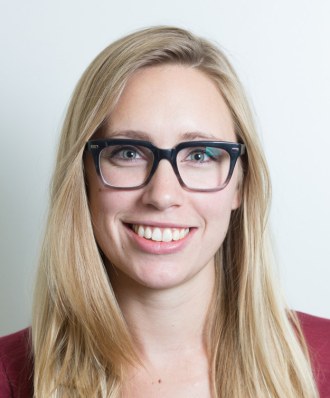
“We felt these narratives seemed out of sync with what we were seeing,” Jensen said. “Lots of stories were not being included.”
The panelists expressed their hope that “Invisible in Austin” would help society identify with, recognize and humanize all levels of the socioeconomic order.
“Some of the stuff they were saying really made me think,” public relations sophomore Lily Harpham said. “I hope the next time I am in a cab I remember Kumar’s story and act in a manner that makes him feel respected.”
 kaitlinreid.com